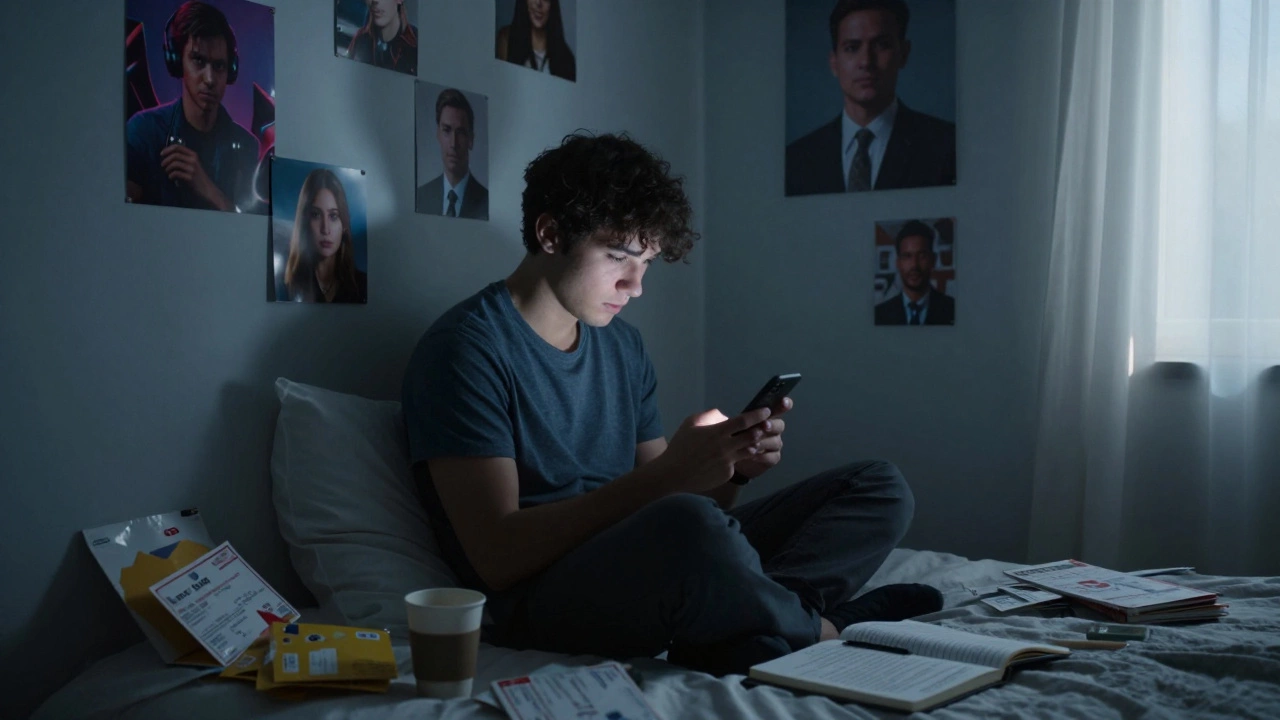
Ever sat there staring at your phone, wondering who you really are online? You’ve got a profile picture, a username, maybe a bio that says "adventurer" or "coffee addict." But when someone asks, "What’s your real name?" - the question feels heavier than it should. It’s not just about the name on your birth certificate. It’s about the version of you that shows up when no one’s watching, when the filters are off, when the algorithm doesn’t get to decide what you’re allowed to be.
Some people build entire digital identities around personas they think will get them attention. A few even turn to services like thai escort dubai to explore fantasies they can’t express in their everyday lives. It’s not about the service itself - it’s about the loneliness behind the search. The quiet desperation of someone who feels invisible in their own skin and thinks maybe, just maybe, someone else will see them if they pay for it.
Names Are Not Just Labels
Your real name is tied to your history. It’s what your parents whispered when you were born. It’s what teachers called out in class, what employers typed into HR systems, what the bank uses to verify your identity. But online, your name is just one of many masks. You might be "Alex" on LinkedIn, "Luna" on Instagram, "Shadow_42" on a gaming forum, and "Mom" to your kids. None of them are false - but none of them are the whole truth either.
Studies show that 68% of adults use at least three different online identities across platforms. And that’s not because they’re lying. It’s because each space demands a different version of them. At work, you’re professional. With friends, you’re funny. On dating apps, you’re confident. At home, you’re exhausted. The real name doesn’t change - but the person behind it does.
The Pressure to Perform
There’s a quiet pressure these days to curate a version of yourself that’s always polished, always available, always "on." Social media doesn’t reward authenticity - it rewards consistency. And consistency, more often than not, means repetition. Same filter. Same pose. Same caption style. Over time, you start believing that version is the real you. But it’s not. It’s a performance.
Think about the last time you posted something and waited for likes. Did you feel a little lighter when they came? A little more real? That’s the trap. We confuse validation for identity. We start thinking: if no one sees me, do I exist? And if I have to change who I am to be seen, then maybe the real me isn’t worth seeing at all.
When Names Get Lost
Some people lose their real names without even noticing. Immigrants change them to fit in. Survivors of abuse drop them to escape. People in abusive relationships let partners rename them - "babe," "sweetheart," "baby girl" - until they forget what their mother called them at bedtime. In digital spaces, it’s even easier. You sign up for a new app, pick a handle, and five years later, you don’t remember your old username, let alone your legal name.
There’s a reason why identity theft is rising. Not because hackers are getting smarter - but because we’ve stopped guarding our real names. We give them away with every app download, every loyalty card, every survey. We trade them for convenience. And when the system forgets who you are, you start forgetting too.
Rediscovering Your Name
Reconnecting with your real name isn’t about digging up old documents. It’s about asking yourself: Who am I when no one’s watching? When the phone dies? When the Wi-Fi goes out? When you’re alone in the kitchen at 2 a.m. and no one’s going to see what you eat, what you cry about, what you whisper to yourself?
Try this: Write down your full legal name. Then write down three things you’ve never told anyone. Not because they’re secret, but because you never thought anyone would care. Now look at both lists. Do they feel like they belong to the same person? If not, that’s not a problem - it’s a clue.
Your real name isn’t about legality. It’s about alignment. It’s about the moment you stop performing and start being. It’s the name you’d choose if you weren’t afraid of being misunderstood, ignored, or judged.
The Cost of Living in a Mask
Keeping up a digital persona takes energy. Real energy. Mental. Emotional. Physical. People who spend hours crafting the perfect post, editing their voice notes, choosing the right emoji - they’re not just posting. They’re working. And they’re working for an audience that doesn’t even know their real name.
There’s a growing number of therapists in cities like Dubai who specialize in digital identity burnout. One client, a 42-year-old woman who ran a successful Instagram page as "Mature escort dubai," told her therapist: "I thought if I looked like this, I’d finally feel like me." She didn’t. She felt emptier. The more followers she gained, the less she recognized herself in the mirror.
That’s the irony. The more you try to be seen, the more invisible you become - to yourself.
What Happens When You Stop Performing?
There’s a quiet revolution happening. Not on TikTok. Not in influencer circles. But in bedrooms, in parked cars, in late-night journal entries. People are starting to delete accounts. Turn off notifications. Stop checking likes. And slowly, they start asking: Who am I without this?
One man in Berlin deleted his LinkedIn profile after 12 years. He started painting. Took up woodworking. Got a job at a local bakery. His name is now on the receipt when he buys coffee. His neighbors know him as "the guy who fixes bikes." He doesn’t have a following. But for the first time in decades, he knows who he is.
You don’t need a million followers to be real. You just need one moment of stillness - and the courage to sit with yourself in it.
The Dubai Hooker Paradox
There’s a disturbing trend in online searches. People looking for "dubai hooker" aren’t just seeking sex. They’re seeking connection. They’re searching for someone who won’t judge them, who won’t ask for a resume, who won’t care if they’re successful or broken. They’re looking for a version of intimacy that feels safe because it’s paid for - transactional, predictable, anonymous.
But here’s the truth: No one can give you identity. Not a stranger in a hotel room. Not a thousand likes. Not a perfectly curated feed. Only you can do that. And it starts when you stop looking outside yourself for proof that you exist.
Real Name, Real Life
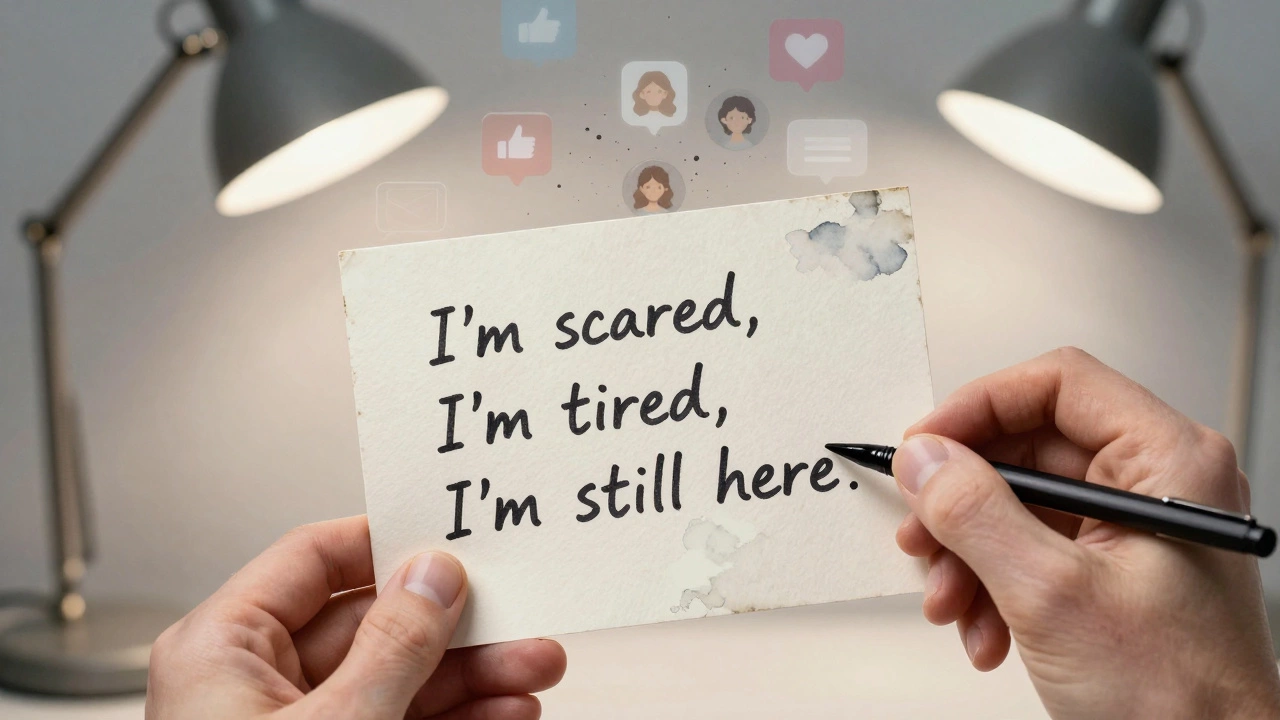
Your real name is not a password. It’s not a handle. It’s not a profile picture. It’s the quiet voice that says, "I’m still here," even when no one’s listening. It’s the name you whisper when you’re scared. The name your dog knows. The name your child calls you when they’re tired and need you.
Reclaiming it doesn’t mean quitting social media. It doesn’t mean deleting your accounts. It just means remembering: you are not your username. You are not your follower count. You are not your search history.
You are the person who wakes up every morning - tired, unsure, maybe a little broken - and still gets up. That’s your real name. And no algorithm can take that away from you.